
How to avoid impulse buying: 5 questions before you buy
Conscious spending does not mean eliminating pleasure, comfort or wants. It means seeing the full cost of a choice before paying: the total price, room in the budget, future installments, the goal that may be delayed and the work time needed to earn that money.
The Eduardo Feldberg video that inspired this guide proposes a five-question rule to interrupt autopilot. Here, we turn that pause into a practical process that can be tracked in ClariFin, without guilt and without treating every nonessential purchase as a mistake.
1. Conscious spending is not prohibition
A purchase can be wanted, useful and compatible with your financial life at the same time. The problem begins when the decision ignores existing commitments or uses a credit limit, a sale and a small installment as substitutes for the main question: does this expense fit my priorities?
Essential expenses still have to be paid, and unexpected events do not always allow you to wait. The goal is not to create a moral test for every payment. It is to give more attention to choices that can be delayed, recur or have a higher value because they are more likely to compete with important goals.
2. Ask five questions before buying
The rule works as a sequence of filters. No single question decides everything, but together they separate a passing want, a real need, financial capacity and product choice. An honest answer is more useful than looking for a quick justification to complete the purchase.
When the answer is still unclear, replace urgency with waiting. A few minutes may be enough for a small purchase; a week or a month may be more appropriate for an expensive one. Waiting is not punishment: it gives you time to research, compare and see whether the desire remains relevant.
- Do I really want it? Does the desire remain after novelty and the sale lose their force?
- Can I afford it? Does the total cost fit without using money for bills, reserves or goals?
- Do I need it? Does the purchase solve a current need or only answer an impulse?
- Might I need it? Is there a likely and near-term need that justifies planning now?
- Do I need this one? Are the chosen model, brand and additional features actually necessary?
3. Separate desire from urgency
Wanting something does not make the purchase wrong. The difference is knowing whether the desire lasts and whether you chose it, rather than scarcity, social comparison or easy payments choosing for you. A discount saves money only when it brings forward a purchase that already made sense.
Create a wish list with the price and date. If the desire remains after the waiting period, research alternatives, maintenance cost and useful life. The list preserves the wish without forcing an immediate decision and helps separate what remains important from what loses meaning.
4. A credit limit is not available income
A card shows how much the issuer allows you to use, not how much your budget can repay. Before paying in installments, add the total purchase price, existing installments and expected expenses until the due date. A small payment may look comfortable on its own and still make the coming months tight.
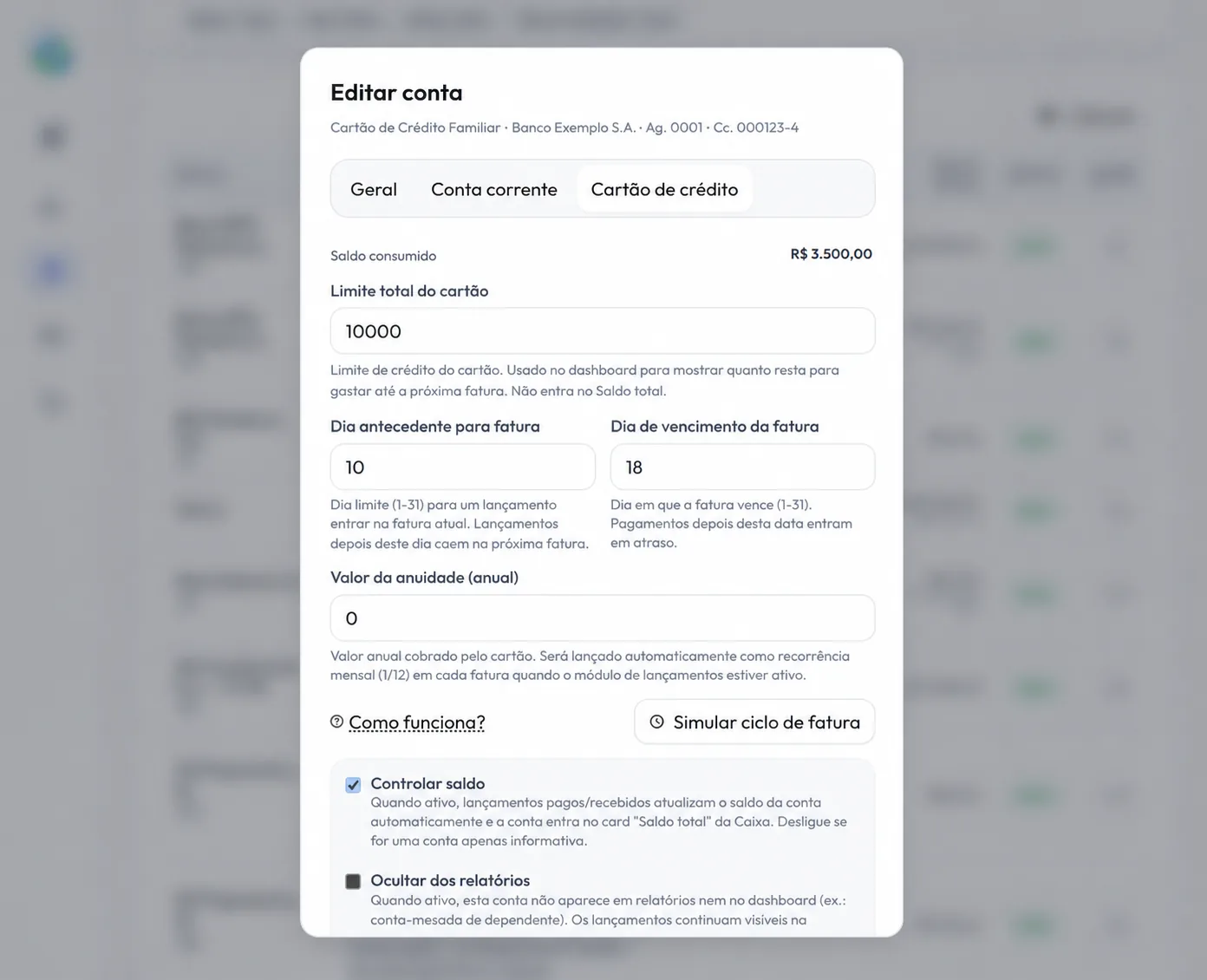
In ClariFin, correctly setting the limit, closing date and due date helps you track card usage and billing cycles. This information does not authorize a purchase; it reveals how much future income is already committed so the decision is made with the budget, not only with the limit.
5. Separate need, likelihood and item choice
“Do I need it?” looks at the present. “Might I need it?” considers something likely, such as replacing equipment near the end of its useful life. “Do I need this one?” asks whether the more expensive model, brand or every added feature is needed to solve the problem.
This distinction avoids two extremes: buying everything just in case and postponing a need until it becomes an emergency. When a purchase is likely, record a forecast, choose a date and build the amount gradually. Planning preserves your freedom to choose the price and payment method.
6. Find which goal the purchase competes with
Money has competing uses. An amount assigned to a purchase no longer funds an emergency reserve, education, planned leisure, debt reduction or investing. This does not mean the goal must always win, but the trade-off should be visible before the decision.
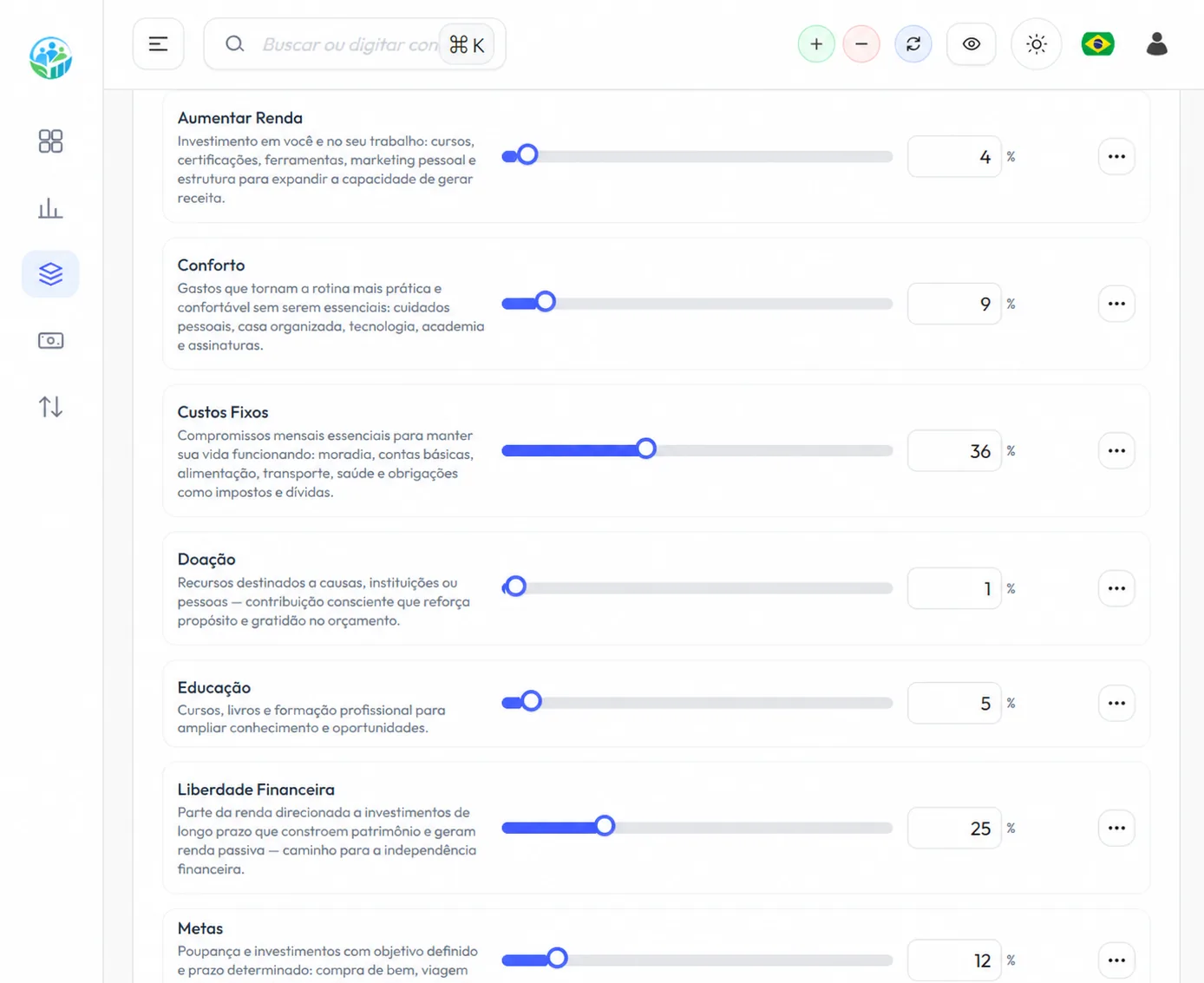
ClariFin category goals help assign percentages of income to fixed costs, comfort, projects and financial freedom according to the household’s reality. By comparing the plan with the new expense, you consciously decide which category may give way and which must remain protected.
7. Convert the price into life hours
The price tells you how much money leaves. Life hours estimate the work time needed to earn that amount. If your reference hour is worth $40, a $200 purchase represents about five hours. The question changes from “can I pay?” to “would I choose to trade five hours for this?”.
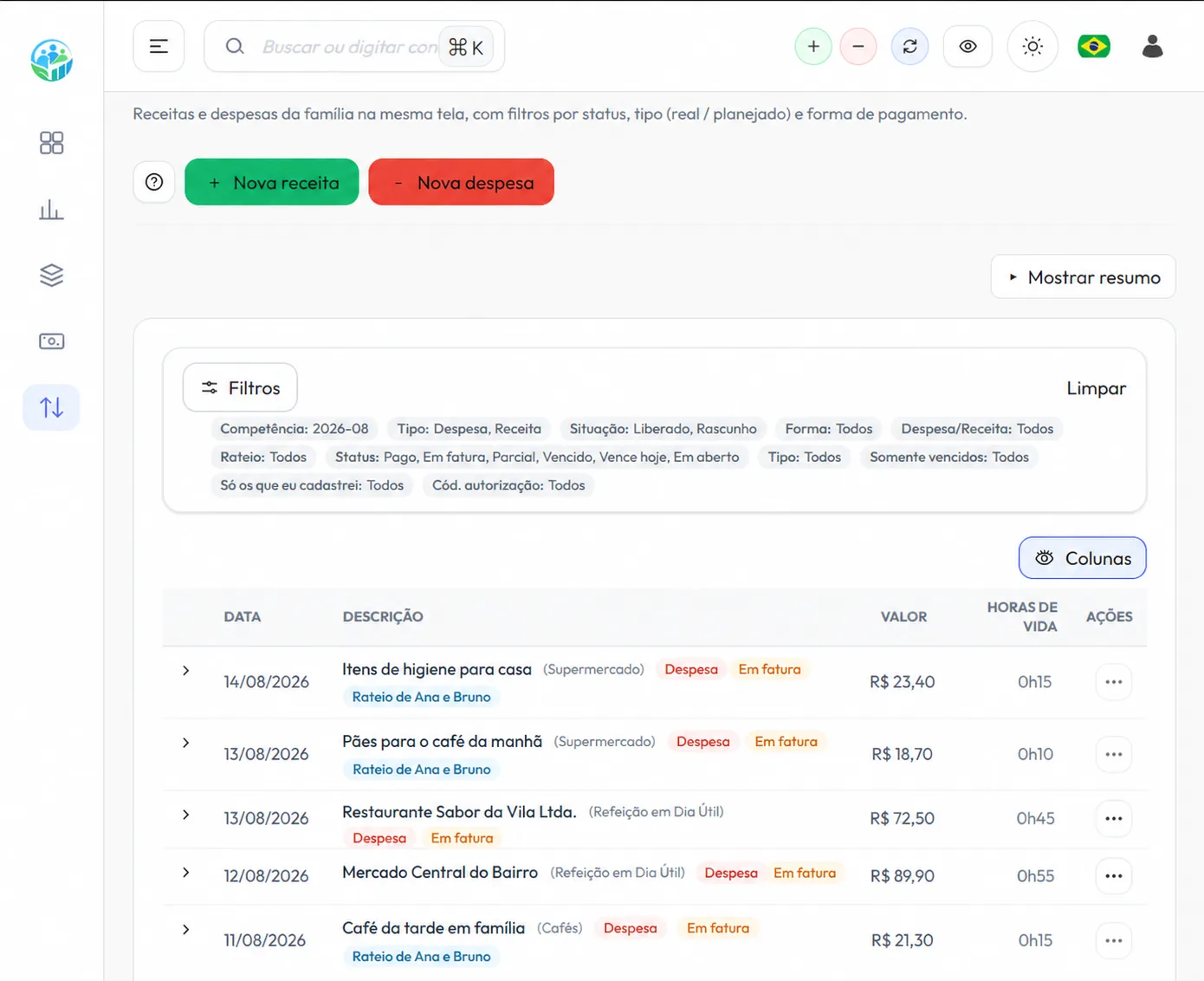
ClariFin estimates this using the average of your share of income received over up to 12 closed months and a monthly reference of 220 hours. For shared expenses, it uses your share. The result supports reflection; it is not an exact measure of effort, productivity or personal worth.
- Compare the total price, never only the installment amount.
- Watch recurring purchases: a few minutes repeated can become days over a year.
- Consider utility and duration: an expensive purchase may be worth the time, while a cheap one may be wasteful.
8. Turn the purchase into a planned decision
A simple routine reduces dependence on willpower. Before buying, check the budget, answer the five questions, wait when possible, compare the total price with your goals and record a forecast if the expense is likely. After buying, record the actual transaction so future decisions remain connected to reality.
ClariFin does not decide what you should want or label a purchase right or wrong. It brings categories, cards, installments, forecasts and life hours together to reveal consequences. The choice remains yours, but it is no longer made with incomplete information.
- Check this month’s commitments and upcoming card bills.
- Answer the five questions without treating the credit limit as income.
- Compare the expense with the category goal and other objectives.
- Record a forecast for likely purchases and an actual expense when it happens.
- Review later: did the purchase provide enough value for its cost and invested time?
Frequently asked questions
Is buying in installments always a bad decision?
No. Installments may make sense when the total price fits the budget, interest is absent or has been compared, and future payments are protected. The problem is using a small payment to ignore the total cost and accumulate commitments.
If I have available credit, can I assume the purchase fits?
No. A credit limit is offered by the issuer. To know whether the purchase fits, compare the total price and installments with income, bills, current card balances, reserves and goals.
How long should I wait before an unplanned purchase?
There is no universal period. Ten minutes may reduce the impulse for a small item; a few days or 30 days help evaluate an expensive one. The higher the price, installment duration and impact on goals, the more useful waiting tends to be.
Are life hours an exact calculation?
No. It is an educational estimate. ClariFin uses income received, up to 12 closed months and a reference of 220 monthly hours. Working hours, passive income, benefits and personal circumstances affect the interpretation.
Can I use ClariFin before making the purchase?
Yes. You can record a transaction as a forecast, track category goals and review cards and installments. When the purchase happens, record the actual transaction to keep the budget current.